The Seven Wastes
The Seven Wastes of Lean listed below were identified in manufacturing in the Toyota Production System (TPS) by Shigeo Shingo. Known also as the 7 mudas. The mnemonic is WORMPIT (see #The 7 Wastes of Software).
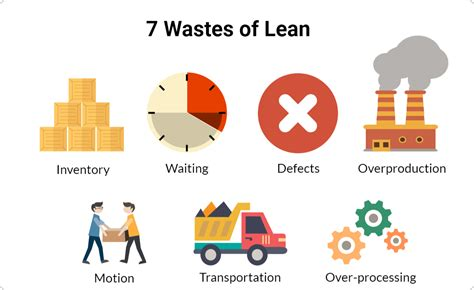
In value stream mapping
Daniel T. Jones updated the names of the 7 Wastes for Value Stream Mapping.
- Faster-than-necessary pace: creating too much of a good or service that damages production flow, quality, and productivity. Previously referred to as overproduction, and leads to storage and lead time waste.
- Waiting: any time goods are not being transported or worked on.
- Conveyance: the process by which goods are moved around. Previously referred to as transport, and includes double-handling and excessive movement.
- Processing: an overly complex solution for a simple procedure. Previously referred to as inappropriate processing, and includes unsafe production. This typically leads to poor layout and communication, and unnecessary motion.
- Excess stock: an overabundance of inventory which results in greater lead times, increased difficulty identifying problems, and significant storage costs. Previously referred to as unnecessary inventory.
- Unnecessary motion: ergonomic waste that requires employees to use excess energy such as picking up objects, bending, or stretching. Previously referred to as unnecessary movements, and usually avoidable.
- Correction of mistakes: any cost associated with defects or the resources required to correct them.